Every now and then, something happens that quietly changes the way I see the world.
It isn’t usually a dramatic revelation or some earth-shattering event. More often, it’s an ordinary moment that suddenly causes a hundred unrelated pieces to fall into place. That happened to me this week while I was creating a birthday tribute for my Dad.
As I sorted through decades of photographs and home videos, I assumed the most meaningful moments would be the obvious ones—the birthdays, graduations, anniversaries, and holidays. After all, those are the moments we usually preserve because we think they’re the most important.
Instead, I found myself lingering over something entirely different. It was the photograph of my dad laughing without realizing someone had taken his picture. It was the way he instinctively reached for one of us. It was the look on his face while carrying a child on his shoulders. None of these moments would ever make the front page of a scrapbook, yet together they told me more about who my Dad is than any milestone ever could.

As I watched those memories unfold, I realized that I wasn’t simply editing a video. I was witnessing the story of a life, and that realization led me to a thought I haven’t been able to shake.
The best stories—the ones that stay with people—aren’t built from grand revelations. They’re built from honest moments that reveal a person’s character. Character is the vessel. Story is the journey. Truth is what each reader intuits and discovers for themselves.
The more I sat with those words, the more I realized they have very little to do with writing. They have everything to do with being human.
CHARACTER Is the Vessel
Whether we’re writing a novel, teaching a class, raising children, leading a business, or simply trying to live a meaningful life, it’s easy to become preoccupied with the message.
What do I want people to learn?
What point am I trying to make?
Am I even qualified to say this?
Those are reasonable questions, but lately I’ve begun to wonder if they’re the wrong ones. People certainly appreciate good ideas, but ideas alone rarely change anyone. What changes us are people. We remember the teacher who believed in us before we believed in ourselves. We remember the friend who quietly stayed when everyone else walked away. We remember the parent whose everyday actions consistently reflected kindness, patience, and love.
Character gives ideas a heartbeat. Without it, even the greatest philosophy remains an abstraction. With it, ordinary moments become unforgettable.
STORY Is the Journey
The older I become, the less interested I am in stories that tell me what to think.
The stories that have stayed with me invited me into another person’s life. They allowed me to celebrate, question, grieve, laugh, and wrestle alongside the characters. They didn’t rush to explain themselves because they trusted me to make the journey.
Perhaps that’s why we rarely remember every detail of a favorite novel or film years later. We remember how it changed us. We remember how it made us see ourselves differently.
Isn’t that true of life as well?
Years after someone is gone, we rarely remember every conversation. We remember how they made us feel. We remember how they lived. Their story continues long after the details have faded.
TRUTH Belongs to the Reader
This may be the realization that surprised me the most.
For a long time, I thought the responsibility of a writer was to communicate truth clearly enough that readers couldn’t possibly miss it. I’m not so sure anymore. Perhaps our responsibility is much simpler—and much more difficult. Perhaps our responsibility is simply to be authentic. Every reader approaches a story carrying a lifetime of experiences, disappointments, hopes, fears, joys, and unanswered questions. No two people will ever read the same book in exactly the same way because no two people have lived the same life.
The story remains the same. The readers do not.
One person may discover forgiveness where another discovers courage. One may find hope while another finally gives themselves permission to grieve. Neither response is wrong because story was never intended to dictate a conclusion. It was meant to create space for discovery.
The more I think about it, the more convinced I become that stories lose something precious the moment they begin telling readers what they must believe.
The stories that change us invite.
They don’t demand. They ask questions. They create space.
And in that space, readers often discover something no author could have placed there. The reader’s own truth.
The Greatest Gift a Story Can Give
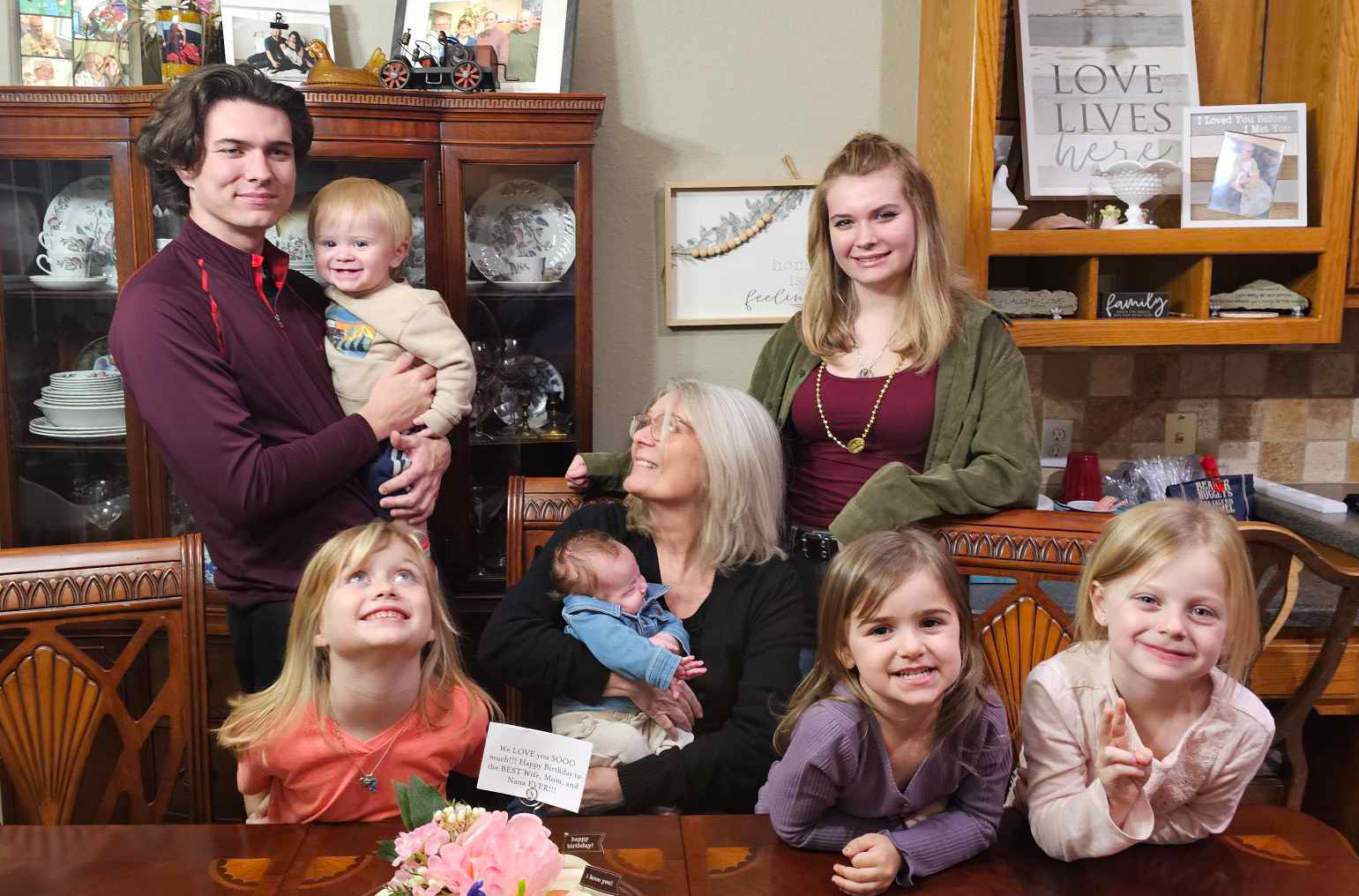
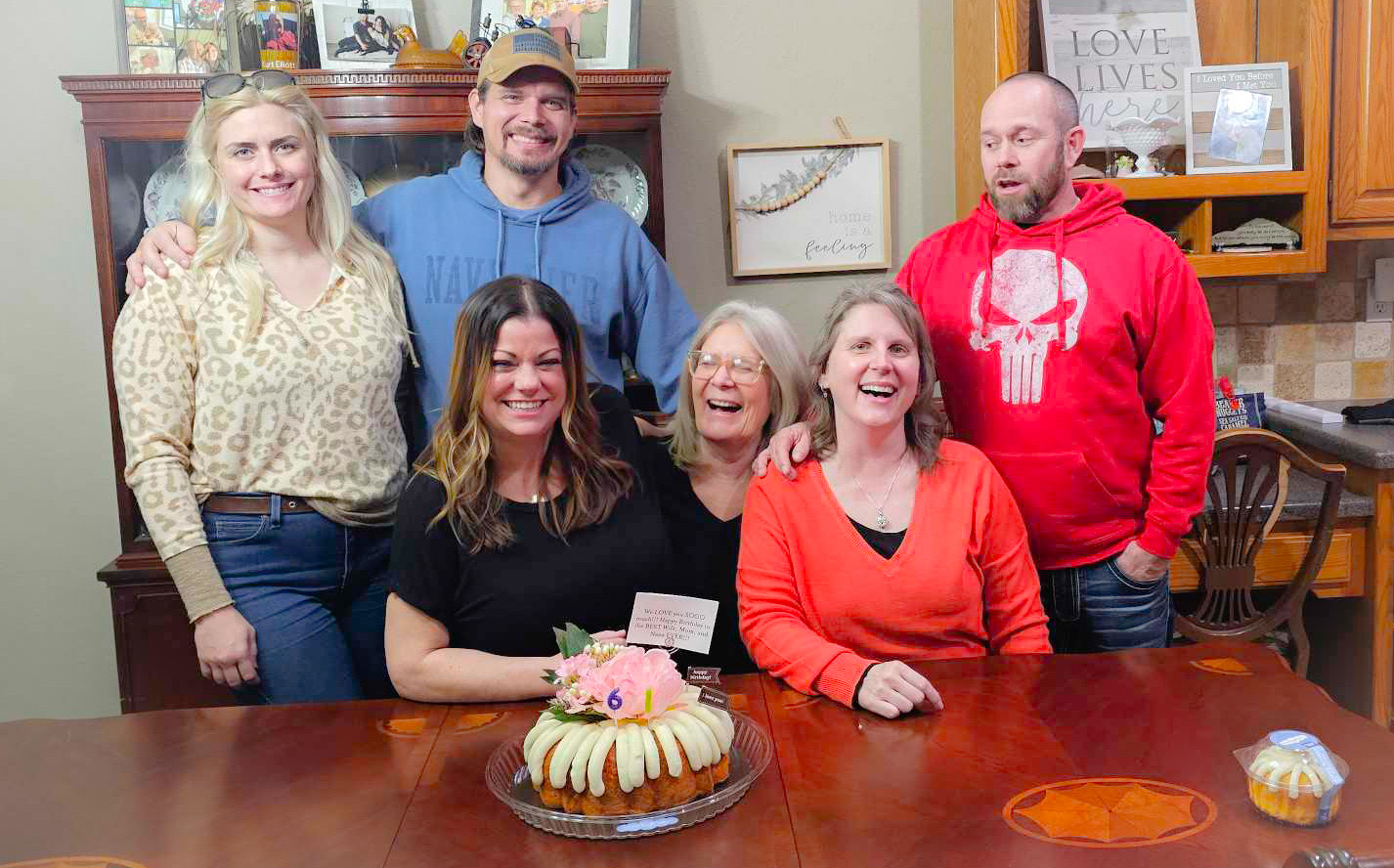
When I finished my dad’s birthday tribute, I realized the video wasn’t really about birthdays. It wasn’t even about memories. It was about his character.
My dad has spent a lifetime teaching us, but not primarily through words. He has taught us through the way he lives—with kindness, generosity, acceptance, and love. Those lessons weren’t simply spoken; they have been woven into thousands of ordinary moments that, taken together, have become the story of his life…and ours.
Perhaps that’s why the stories we never forget aren’t the ones that explain everything. They’re the ones that awaken something within us. They remind us of who we are. They invite us to become a little more compassionate, a little more curious, and a little more fully ourselves. And perhaps that is why the best stories never truly end. Long after we’ve closed the book—or watched the final scene—we continue writing them into the narrative of our own lives.
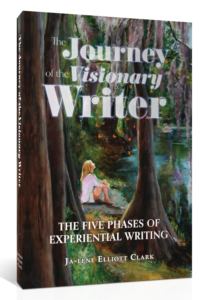
Are YOU Destined to Become a Visionary Writer?
Ja-lene Clark’s The Journey of the Visionary Writer: The Five Phases of Experiential Writing illuminates the path from idea to publication. Filled with brilliant insights and deeply personal stories, this book guides visionaries through the spiritual and emotional complexities of sharing their wisdom. Not a typical how-to, it’s a remarkably advanced, healing, and expansive journey.
Take the leap. Dare to share your wisdom. Purchase your copy today!